10.4 million point-in-time rows keep the experiment honest.
Independent product studio by Brian Chen
From unfamiliar terrain to working reality.
I turn ambiguous ideas and stalled systems into working products. I learn the terrain, find what matters, ship the first useful version, and test it against reality.
How I workQuestion → learn fast → find what matters → build → test → repeat.
A usable decision workflow emerged in fourteen days.
Every AI judgment keeps its source evidence.
Hard problems, made tangible.
These projects cross quantitative research, decision systems, multimodal AI, and marketplaces. Each one started with a different unknown and ended with something that could be tested against reality.
Survivorship · Quantitative research system
How do you know the unknowable?
Predicting the future is the most challenging and intoxicating problem I know. I built “Survivorship” to wrestle with it.
Every forecast eventually meets reality, but that lesson is useful only if the experiment was honest. I rebuilt the historical investable universe, preserved what was knowable on each date, prevented leakage, ran walk-forward experiments, and used the same logic in production.
- 10.4M+ point-in-time rows
- 7,800+ securities
- 223 completed research configurations
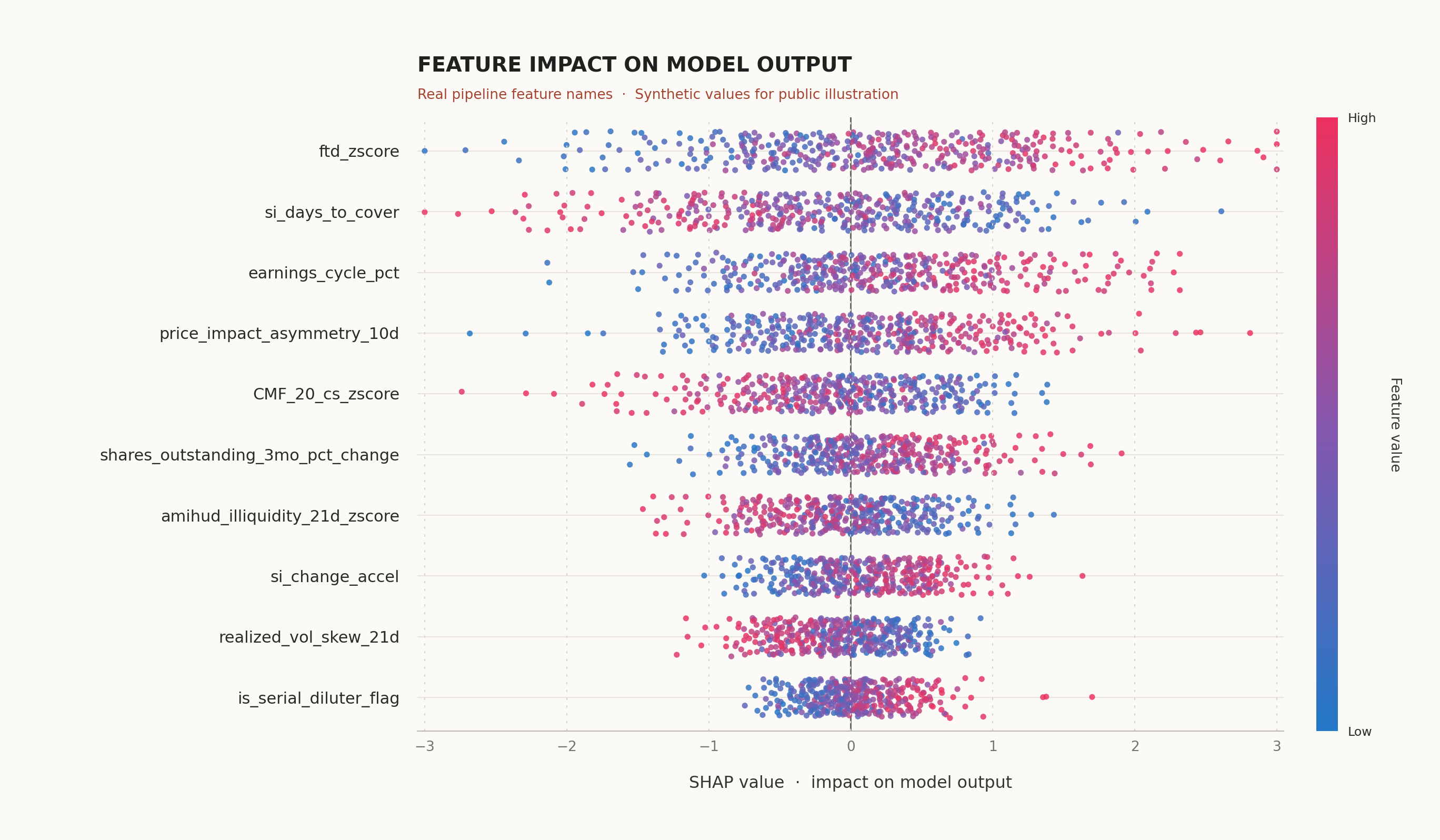
Public-safe evidence only. Operational data, tuned strategies, model artifacts, and live research remain private.
Polymarket decision system
How fast can an emerging idea become a working product?
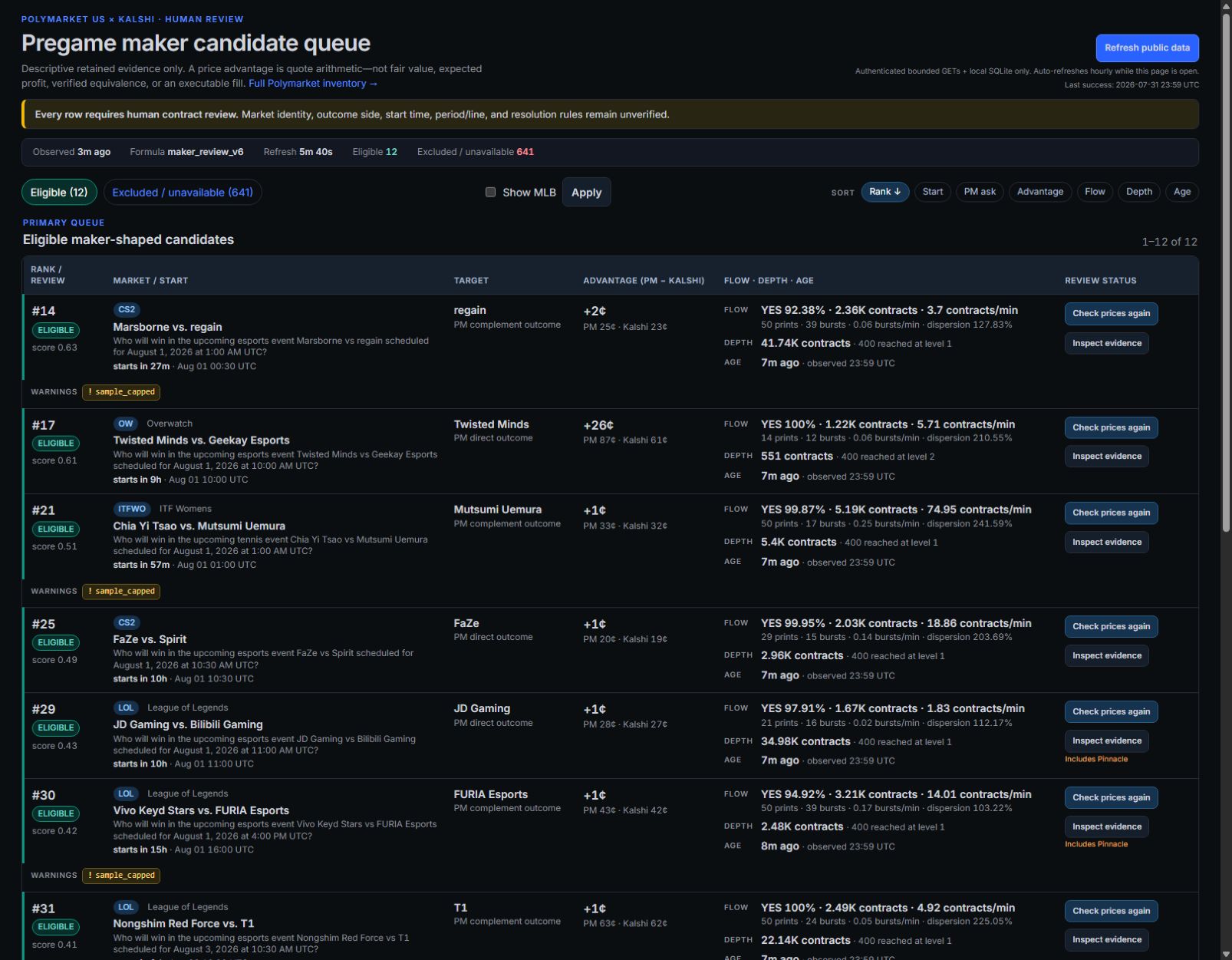
In fourteen days, an emerging idea became a working decision system: market ingestion, candidate screening, evidence review, and an operator workflow. Building the real product made it possible to learn quickly and redirect without losing control of the work.
The larger capability was crossing product, data, operations, and engineering while keeping the evidence visible to the person making the decision.
- 14-day build
- 191 commits
- 41 repository checks
HHunter
What if home search could use the evidence hidden in the photos?
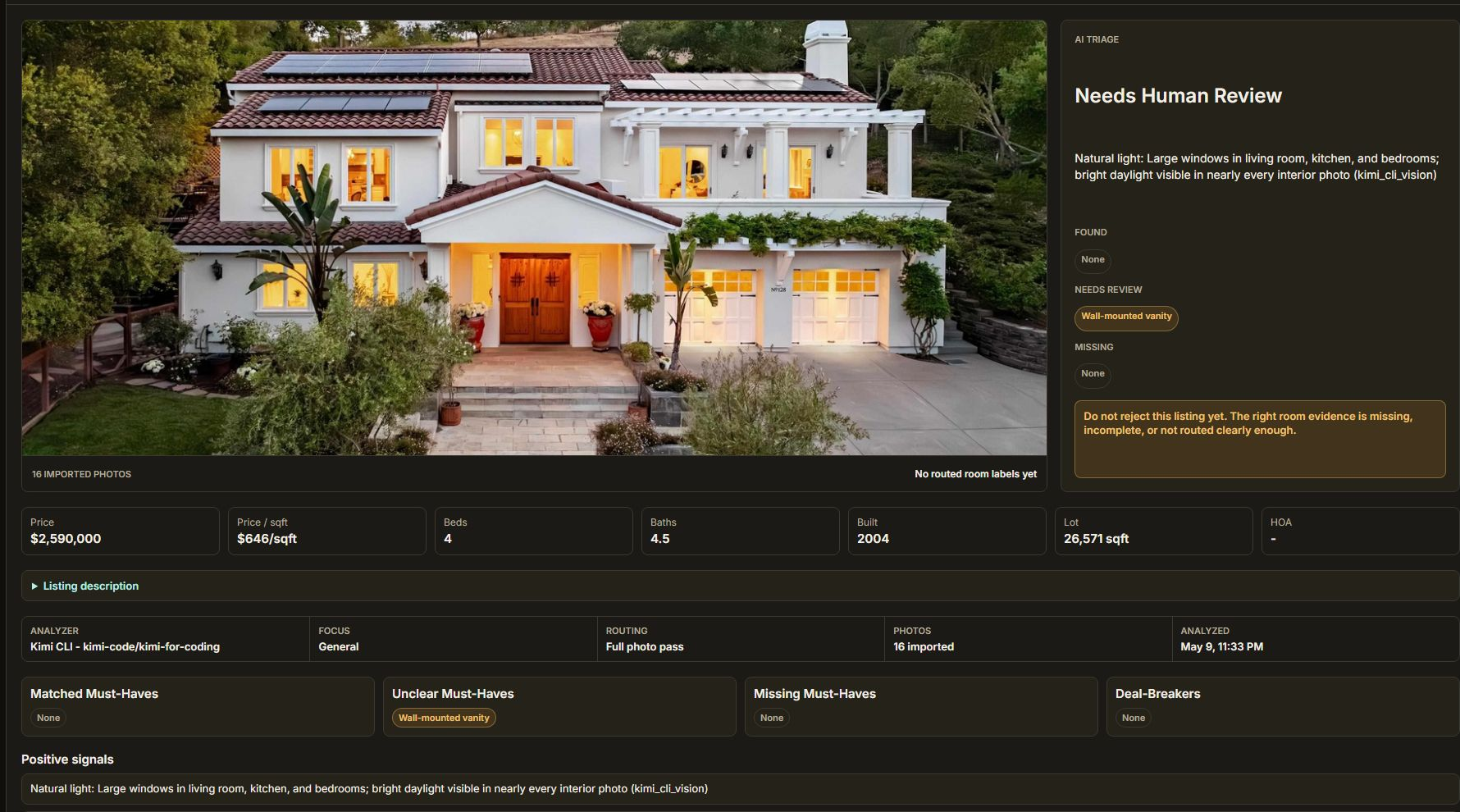
Standard filters compare price, size, and bedrooms. They discard much of the evidence that changes a housing decision. HHunter turns listing photos into a room-by-room review queue, uses multimodal AI to identify relevant visual signals, and attaches the source image to every judgment.
The model narrows the search and shows its work. It does not pretend to choose a home.
- Multimodal analysis
- Source evidence attached
- Human review required
Courtline
What makes a tennis object worth collecting?
A racket is not valuable in isolation. Athlete, moment, provenance, scarcity, and presentation create the reason to care, yet generic commerce grids flatten that context. I translated that category thesis into believable inventory, auction mechanics, buyer journeys, and two working marketplace directions.
The strategy had to survive contact with inventory, mechanics, and merchandising. Working products made the two directions comparable rather than hypothetical.
- Product strategy
- Marketplace mechanics
- Two working directions

The tools were narrower. The instinct was already there.
Before general-purpose models, every condition had to be defined explicitly. The tools were narrower, but the habit was the same: learn the terrain, build the missing system, and test it against reality.
Explore four earlier experiments+
Personal computer-vision experiment · 2020
Teaching a machine to fish.
Can a visual interface become reliable machine state?
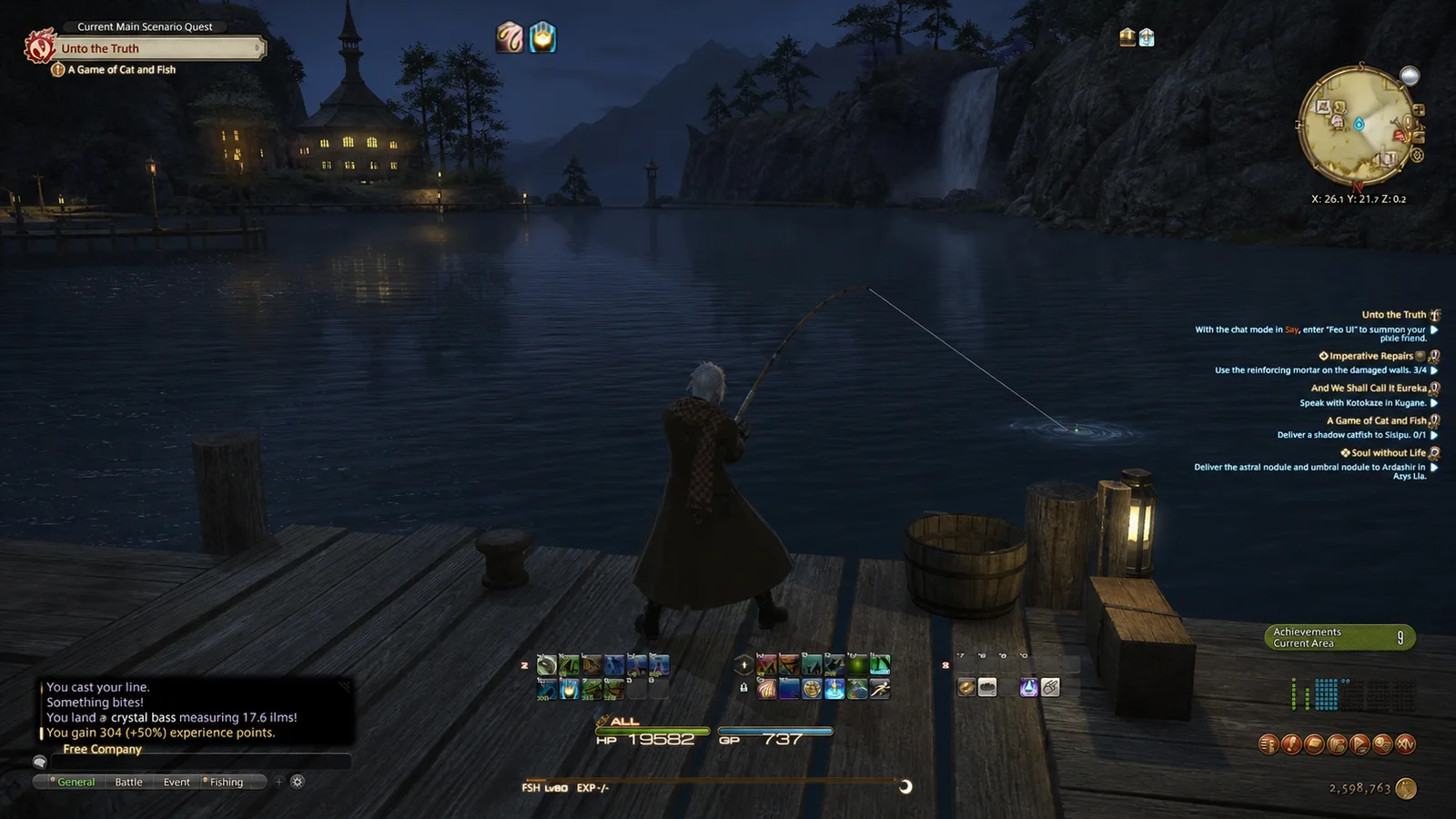
With no structured state to query, I used real-time window capture, OpenCV template matching, and an explicit state machine to interpret a changing Final Fantasy XIV interface. The system chose each action from the pixels, then watched the screen to verify the result.
Illustrative fishing scene paired with original project templates. No affiliation with Square Enix. No code or operating instructions are published here.


Too Good To Go monitor
A personal monitor watched for the surplus bags I cared about and sent a Telegram message when one appeared.
No reopening the app just to find nothing.SeatGeek price watcher
I set a personal go-price for an event, then left a small script to watch until the answer became yes.
Decide once. Hear about it only when the price matters.Camply
I started building a campsite monitor, found an open-source project that already solved the problem, and used it.
The objective was a campsite, not authorship.Descriptive accounts of personal experiments. No affiliation with the named services. Camply is included as an example of adopting a useful existing solution rather than rebuilding it.
A good idea should not stay hypothetical.
Got an idea? Let's make it real.
Whether it's still a sketch or already sitting in a stalled repository, I can help turn it into something working, testable, and useful.
Tell me what you're trying to make and where it stands. We'll find the smallest version worth putting in front of reality.